
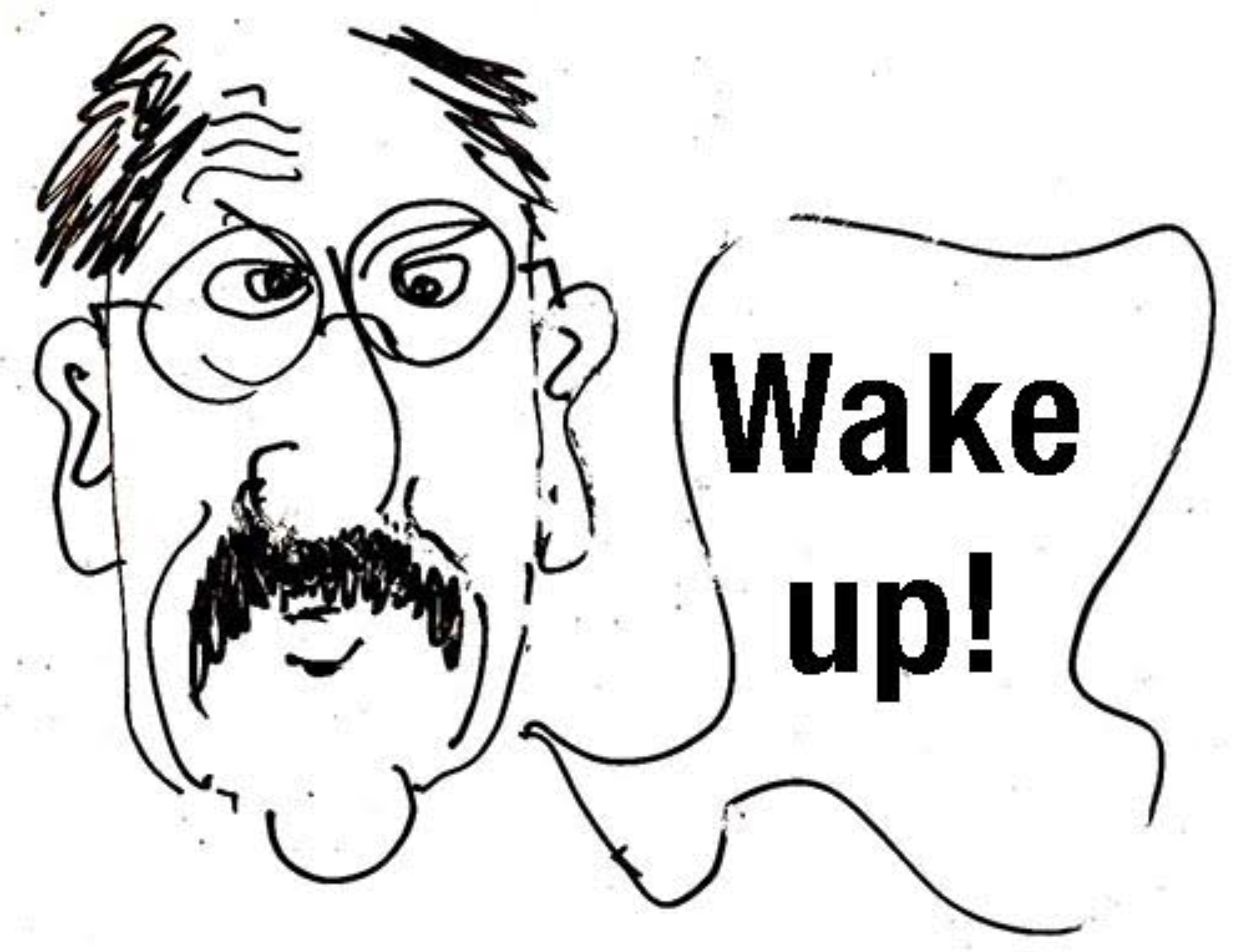
I can feel it, sense it, can’t you? Life goes on for all of us despite our knowing that everything is not all right. Most of us are doing well, but all around are dark clouds that warn of a storm which may or may not materialize. We’ve become numb to politics. Among friends and with strangers we don’t talk about it, but the threat is always in the room. People feel too strongly about what’s happening to say it out loud for fear of alienating friends or inciting others. Yes, the media and politicians shout out loudly, but they have direct personal stakes and still have secure public pulpits.
In contrast my friends and readers have gone cold-turkey talking about politics where in the past they spoke out passionately. Readers of my blog sent in comments, pro and con, and kept up running conversations on topics; they conveyed a belief that they might change things by speaking out. I was busy responding and learning the political landscape. But that was then, this is now – beliefs have been dashed, the American psyche callused, hope denied. After all, it has been a long ten years of troubled times.
Presently, I have been reading Hotel Exile, Paris in the Shadow of War * and like other books of the era, it attempts to describe what it was like for ordinary people to witness the rise of the Nazis in the 1930s. Eerily several passages stand out as pertinent to what might be happening in the United States today.
Defining the modus operandi:
“How to define the beginning of a cataclysm? Perhaps, like this: a series of small incremental changes that gradually creep up on complacent citizens, busy with lives that are at once so comfortable as to admit no possibility of change, and too filled with the personal dramas that distract us all to notice something worse. For a long time, the quotidian concerns that have been keeping the citizens of Germany awake at night have been accompanied by the steady thrum of an advancing force: boots marching on the streets of Berlin, brown-shirted men barging into bars to throw their weight around. Men who have never had power are now in charge, proud boys, determined to take their revenge on those who have lorded it over them for so long. Not any more. Small men are now made big… .”
The mindset:
“It is difficult to comprehend, from the vantage point of the future, the state of paralyzed inertia in which vast numbers of German citizens existed in 1933. Unable to predict what is going to happen next, all human beings are apt to grasp at what they consider to be the solid foundations of their existence: their home, their club, their favorite park. Many Germans supported or adapted to the new regime, suppressed their reservations about its violence and mendacity or swallowed its lies … .”
The delusion:
“The madness will surely pass, the German people will come to their senses, the rational voices in the cabinet will prevail, they will rein Hitler in.”
What do we do:
The truth is no one of us knows what the future holds. We all have experienced the threat of storms, some come about with a vengeance, others turn to bright skies. The cacophony of noise from pundits, politicians, media stars, partisans, all cocksure in their views, may or may not be the harbinger of truth. Only history, after the fact, will tell us and, then, there will be debates as to what actually happened.
What’s important is that we do not let ourselves become numb to political events. We must look beyond ourselves and be honest with our conscience so we do not stand by idly in the face of atrocities and the undermining of our democratic and constitutional government. We must not look the other way, we must not adapt to evil machinations and we must not delude ourselves into thinking that righteous government officials will come to the rescue.
*The three quotations are from Hotel Exile,Paris in the Shadow of War (2026) by Jane Rogoyska, pages 11 and 23.