
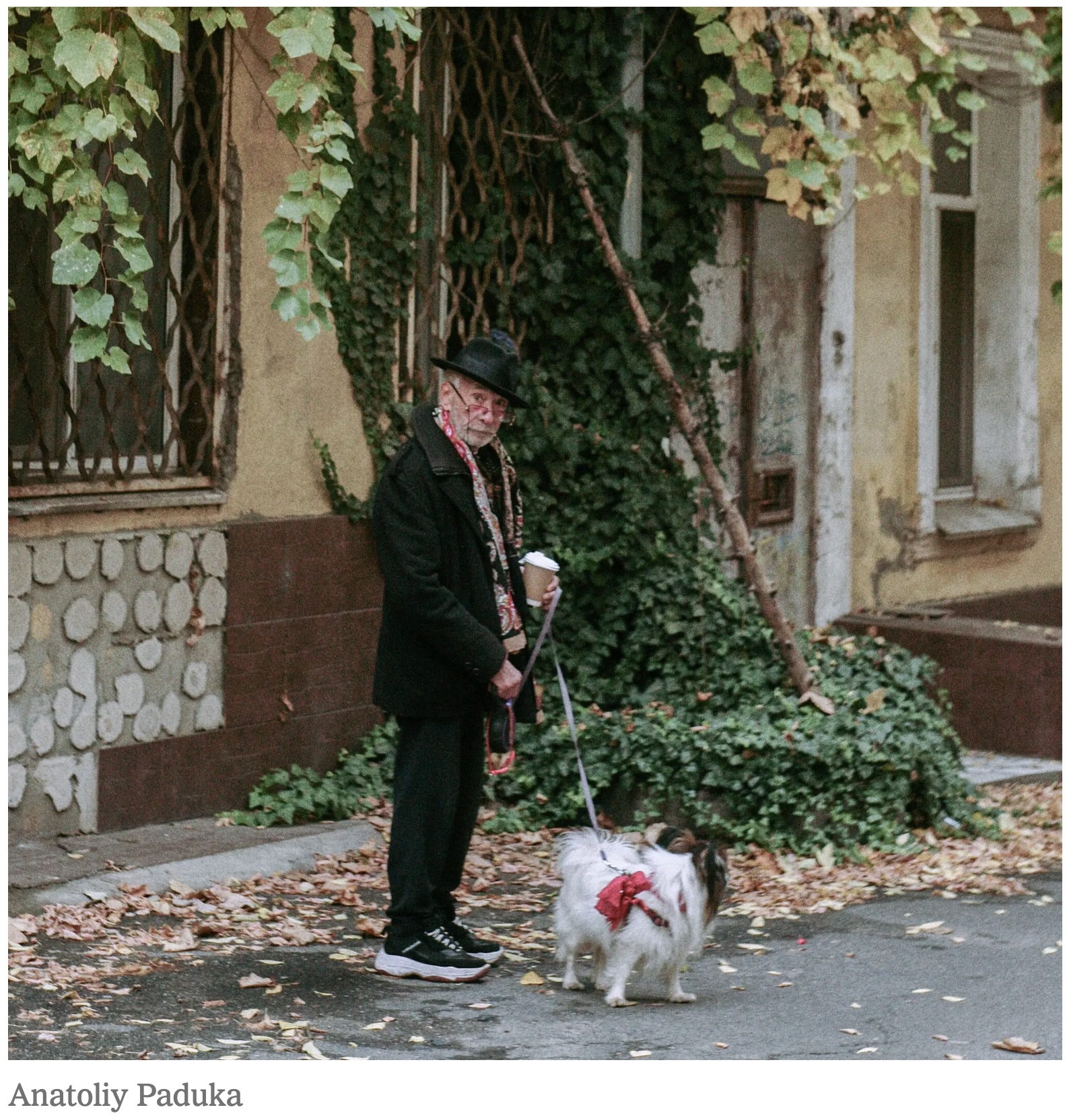
Two stories jumped out at me as I read The New York Times. One was the obituary of Robert Mueller and the other was a short piece about people in Odessa, Ukraine.
The death of Robert Mueller was a prominent headline. He is especially remembered as the special counsel overseeing the investigations of alleged Russian interference in the 2016 U. S. presidential election. What struck me was how Mueller’s life offers such stark contrast with that of our sitting president. His life was exemplary of service and integrity in all endeavors, from a Marine earning the Bronze Star and Purple Heart to FBI Director. I don’t have to spell out the differences between Mueller and Trump, both born into wealthy New York families and attended private schools and Ivy league colleges. I don’t have to spell out more differences; suffice it to say that their respective careers suggest a moral and cultural chasm that is a testament about contemporary America.
The second story examines how citizens of Odessa, especially the aged, continue to cope with the war by dressing up and going out. Their defiance in face of Russia’s efforts to break them, to kill them, is awe inspiring. The writer, Alyona Synenko, succinctly captures their mindset and courage for all of us. On the one hand, Synenko writes, “The thought that it takes a span of only one human life to forget catastrophe and sleepwalk into another shakes …hope for a better future.” But then, on the other hand, he observes that the old people “dress up in the face of this horror, showing their determination to carry on despite all the blows of history they have endured. It’s as if they are mocking our hopelessness and daring life to surprise them with anything else it can throw their way. As long as you look fancy, you are not recoiling.”*
Somehow, these stories gave me hope and assurance that decency and honesty will prevail. There are more Robert Muellers and Odesans than Trumps.
*Alyona Synenko, “Can You Dress Your Way Out of Heartache,” The New York Times, March 22,2026.